Kriyantha Insights · Practical Operations
Privacy Decisions for Camera, Biometric, and Sensor Integrations
A practical framework for deciding what data to collect, how long to keep it, and who should have access - before you install anything.
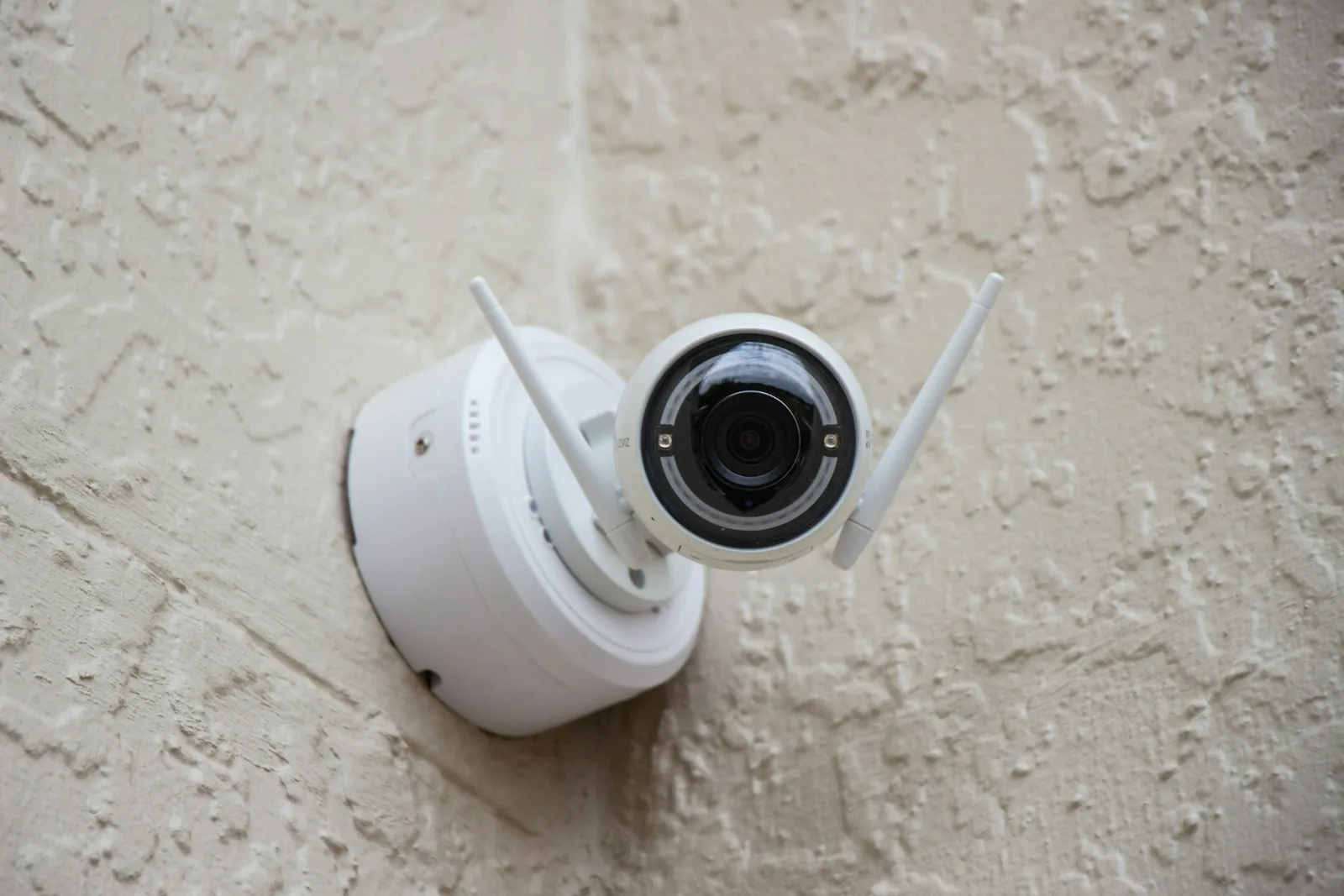
Installing a camera or a biometric scanner is a technical decision. Deciding what happens to the data it collects is a business decision - and often a legal one. It is tempting to treat privacy as a checkbox to handle after the hardware is in place, but the choices that matter most - what to collect, how long to keep it, who can see it - are far easier to get right before installation than to fix afterward.
This article walks through a practical framework for making those decisions early, in plain terms.
This article offers general operational guidance, not legal advice. Indian organisations should review the Digital Personal Data Protection Act, 2023, the Digital Personal Data Protection Rules, 2025 and their applicable commencement dates, together with any sector-specific or workplace requirements. Obtain qualified legal advice before deploying systems that process identifiable or biometric data.
Why Privacy Decisions Come Before Installation, Not After
Once a camera or sensor is collecting data, changing course gets harder. Footage may already be stored somewhere it should not be. Employees or customers may have already been recorded without clear notice. Retrofitting privacy controls onto a system that is already running usually costs more, in both money and trust, than designing them in from the start. The right time to decide what you are comfortable collecting, and why, is before a single camera goes live.
The Difference Between Cameras, Biometrics, and Sensors
These three data sources carry different levels of sensitivity, and treating them the same is a common mistake:
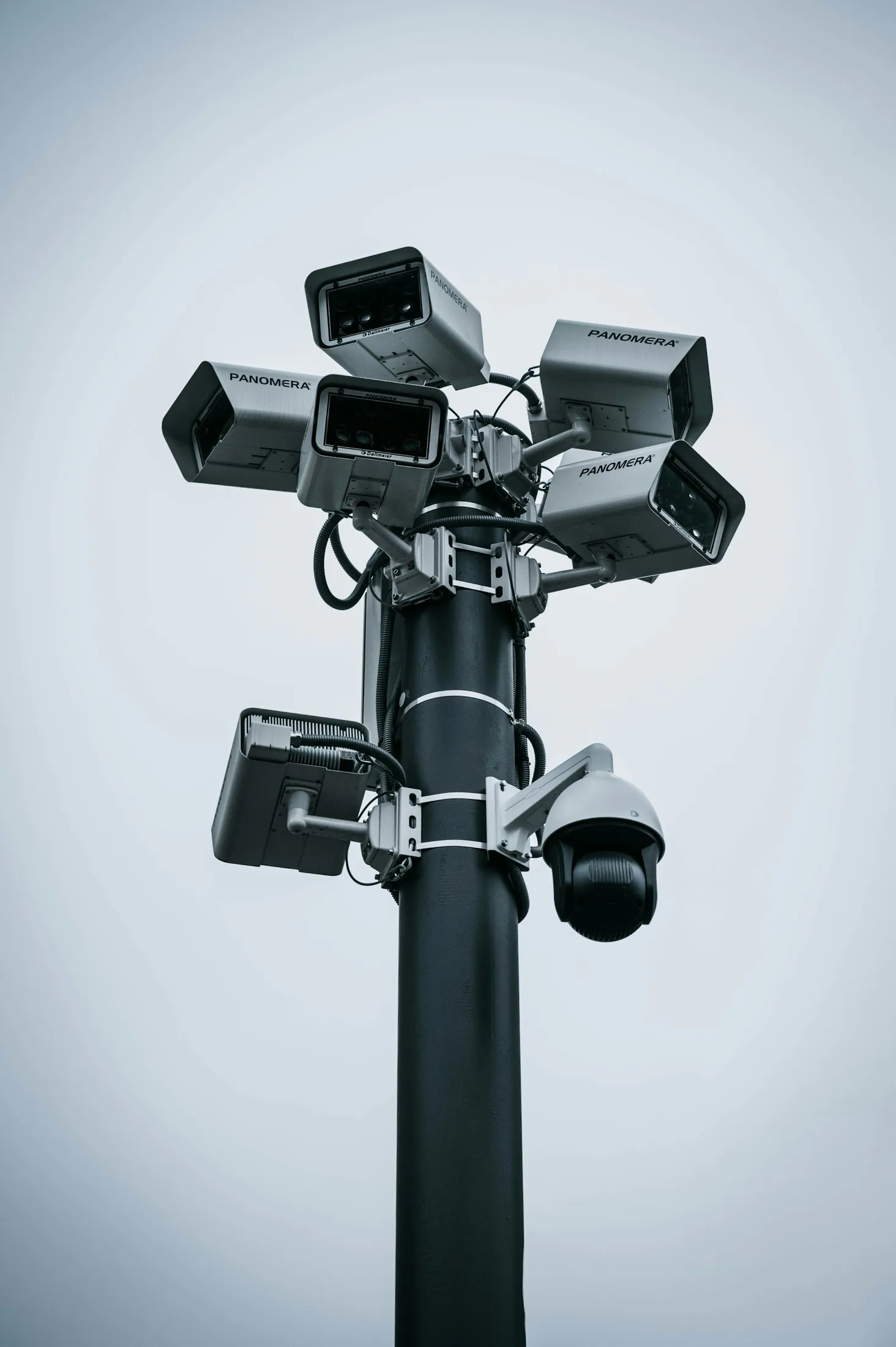
- Standard camerasMay capture identifiable individuals and therefore require a clear purpose, proportionate use, controlled access, and a deliberate retention policy.
- Biometric systemsFacial recognition and fingerprint systems can identify or verify specific individuals. They warrant heightened review because biometric identifiers are difficult to replace if compromised, and legal requirements vary by use case.
- Environmental sensorsTemperature or aggregate occupancy sensors usually create lower privacy risk when they do not identify individuals. That assessment can change if their readings are linked with other identifying data.
Four Questions to Ask Before Collecting Any Data
Before installing any camera, biometric, or sensor system, it helps to have clear answers to:
- 1. What specific problem does this data solve?If you cannot answer this clearly, you likely do not need to collect it yet.
- 2. Who needs access to this data, and for what purpose?Access should be limited to people with an actual operational reason.
- 3. How long does this data need to be kept?Indefinite retention is rarely necessary and increases risk without adding benefit.
- 4. Does anyone affected need to be informed, or asked for consent?This depends heavily on your location and the type of data involved.
Data Minimization: Collecting Less on Purpose
A common instinct is to collect as much data as the hardware allows, in case it is useful later. This usually creates more risk than value. A more disciplined approach:
- Only enable the specific detection features you actually need - motion detection, not facial recognition, if identifying individuals is not the goal.
- Prefer aggregated or anonymized data where it serves the same purpose - a footfall count instead of individually tracked faces, for example.
- Avoid collecting biometric data as a nice to have if a simpler alternative solves the actual business problem.
Storage, Access, and Retention Decisions
Once data is collected, three decisions shape most of your ongoing privacy exposure:
- Where it is storedOn-site or edge storage keeps sensitive footage from leaving your premises unless specifically needed; cloud storage should be chosen carefully, with attention to where the servers are located.
- Who can access itAccess should be role-based and logged, so it is clear who viewed what and when, not open to anyone with a login.
- How long it is retainedDefine the shortest retention period that serves the stated purpose, document the decision, and enforce it automatically rather than allowing data to accumulate indefinitely.
How Kriyantha Approaches Privacy by Design
We raise these questions during the planning phase, before any hardware is installed, not as an afterthought once the system is running. This usually means enabling fewer features than technically possible, choosing edge processing over cloud storage where sensitive data is involved, and building retention limits into the system rather than leaving them as a manual policy someone has to remember to follow. Privacy-conscious design generally costs little extra when it is planned from the start - it becomes expensive mainly when it is retrofitted later.
Closing perspectivePrivacy is not a barrier to using cameras, biometrics, or sensors effectively - it is a set of decisions that are far easier to make well upfront than to fix after the fact. Knowing what you are collecting, why, and for how long is not just good practice; it is usually also what keeps a useful system from becoming a liability.
Key takeaways
The practical points worth carrying forward.
- Privacy decisions are easier and cheaper to make before installation than after.
- Cameras, biometric systems, and environmental sensors carry different levels of risk and should be treated differently.
- Clarify what problem the data solves, who needs access, how long it is kept, and whether consent is required, before collecting anything.
- Data minimization - collecting only what is needed - reduces risk without necessarily reducing business value.
- Storage location, access control, and retention limits should be deliberate, documented decisions, not defaults left unexamined.
Frequently asked questions
Questions to consider before the next step.
Conclusion