Kriyantha Insights · Practical Operations
When Edge AI Is Better Than Cloud-Only Processing
A plain-English guide to knowing when to process data on-site instead of sending it to the cloud.
“Should this run on the cloud or on the edge?” is not a question most business owners ask - until their internet goes down and their entire camera system stops working, or until a monthly cloud bill quietly grows past what they expected. The choice between edge AI and cloud-only processing is not about which technology is better in general - it is about matching the right approach to what your business actually needs: speed, cost, privacy, or reliability.
This article breaks down the difference in plain terms and gives you a simple way to decide which one fits your situation.
Cloud AI and Edge AI, in Plain English
Cloud AI means data - a video feed or a sensor reading - travels over the internet to a remote server, where it is processed, and the result is sent back to you. Edge AI means the processing happens locally, right where the data is collected, on a small device near the camera or sensor itself, without needing to send anything to the internet first.
Think of edge AI as a decision made on the spot, and cloud AI as a decision made after checking in with a specialist elsewhere.
Why This Decision Matters for Your Budget and Speed
This is not just a technical detail - it affects:
- SpeedEdge processing reacts in milliseconds because there is no round trip to a server; cloud processing depends on your internet connection.
- CostCloud processing usually charges based on data volume, so costs grow as your camera or sensor count grows; edge devices have a one-time hardware cost but lower ongoing fees.
- ReliabilityEdge AI keeps working during an internet outage; cloud-only systems stop functioning the moment the connection drops.
- PrivacySensitive footage or data processed at the edge does not need to leave your premises unless you choose to send a summary or alert.
When Cloud-Only Processing Works Fine
Cloud-only makes sense when:
- The task is not time-critical, like a weekly summary report rather than a real-time safety alert.
- Your internet connection is reliable and cost is not a major constraint.
- You need heavy processing power that is expensive to replicate on local hardware, like large-scale historical data analysis.
- You are processing data from a small number of locations, so data-volume costs stay manageable.
When Edge AI Is the Better Choice
Edge AI is usually the better fit when:
- You need an instant response - a safety alert, a restricted-area breach, or an equipment fault that needs immediate attention.
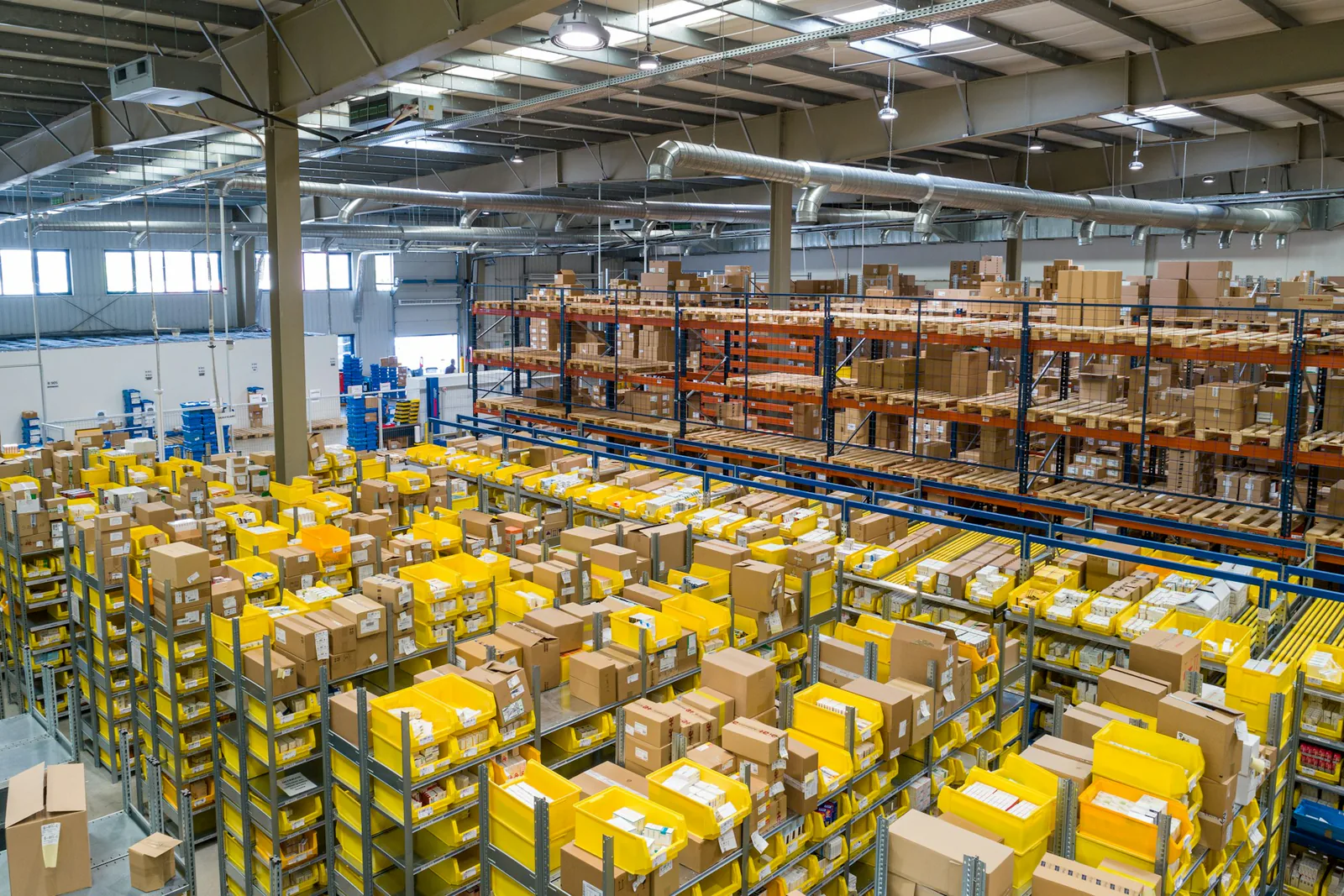
- Your location has unreliable or limited internet, like a warehouse, factory floor, or remote site.
- You have many cameras or sensors, where sending every frame to the cloud would be slow and expensive.
- Privacy matters - for example, biometric or facial data you would rather not transmit unless absolutely necessary.
The Hybrid Approach Most Businesses Actually Need
Most real-world setups are not pure cloud or pure edge - they are a mix. Time-sensitive detection, like a person entering a restricted zone, happens at the edge for an instant response, while less urgent aggregation, like weekly footfall trends or monthly safety reports, happens in the cloud, where more processing power is available and speed does not matter as much. This hybrid model gives you the responsiveness of edge AI without giving up the deeper analysis cloud systems are good at.
How Kriyantha Decides What Runs Where
We do not default to either cloud or edge - we map each use case against speed requirements, internet reliability at your site, data volume, and privacy sensitivity, then decide per feature, not per project. A retail alert might run entirely at the edge, while your monthly performance dashboard pulls from the cloud. The goal is always the same: the fastest, most reliable, and most cost-effective setup for what you specifically need - not a one-size-fits-all architecture.
Closing perspectiveChoosing between edge and cloud is not about picking a side - it is about matching each part of your system to what it actually needs to do. Time-critical decisions belong close to where the data is generated; deeper analysis can happen at a distance. Most businesses end up needing both, just in different places.
Key takeaways
The practical points worth carrying forward.
- Edge AI processes data locally; cloud AI processes it on a remote server.
- Edge AI wins on speed, reliability during outages, and privacy; cloud AI wins on heavy processing power and cost efficiency at small scale.
- Time-critical alerts belong at the edge; less urgent analysis can run in the cloud.
- Most businesses need a hybrid setup, not a purely cloud or purely edge system.
- The right choice depends on your site’s internet reliability, data volume, and how time-sensitive each task is.
Frequently asked questions
Questions to consider before the next step.
Conclusion